

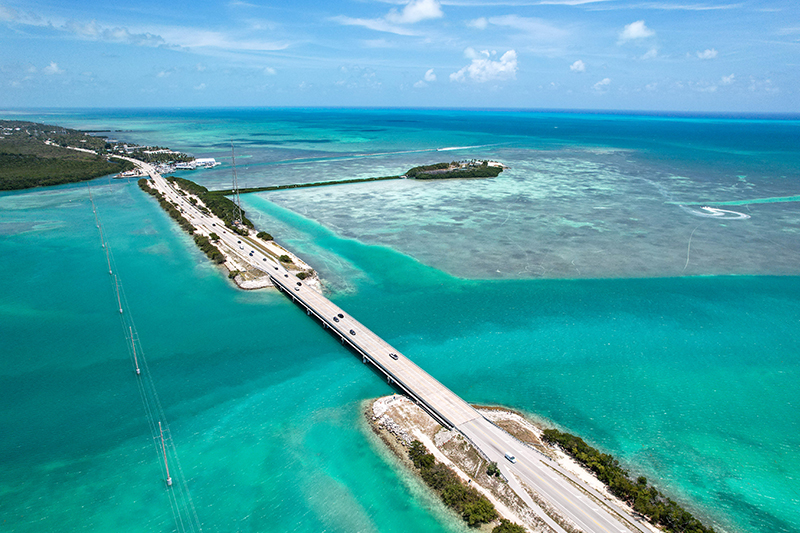
Design a home that matches your vision and maximizes the benefits of life in one of the Florida Keys’ most sought-after destinations.
Table of Contents:
For many buyers, building in Islamorada represents not just a property purchase, but a meaningful commitment to their lifestyle and future. Custom construction gives you control over layout, materials, and performance, whether you’re planning a weekend escape or a future retirement base.
With its natural beauty, quiet pace, and world-class boating, Islamorada remains one of the Keys’ most desirable destinations. With new construction homes in Islamorada, you can shape the layout around the views, elevate for flood safety, and select materials suited to the coastal climate.
Tight inventory and aging housing stock often mean compromising on layout, condition, or systems. That’s why demand for new homes in Islamorada, FL, continues to grow. Buyers are choosing to build not just for flexibility, but for long-term value in a limited and highly sought-after market.
Understanding local zoning and environmental regulations
Building in Islamorada means working within one of the most highly regulated environments in Florida. These rules are designed to preserve the Keys’ character and fragile ecosystem. Whether it’s a canal-front lot or private acreage, thorough due diligence can save you from costly setbacks or purchasing unbuildable land. Key considerations include:
Key points to check before you buy or build:
- The Comprehensive Plan sets the foundation. All zoning and development in Islamorada is guided by Monroe County’s Comprehensive Plan. It governs everything from density and land use to environmental protection. Any new home must comply with these local regulations, which are designed to balance growth with resource preservation.
- ROGO and BPAS. Even if a lot is technically buildable, you may need to wait for a Rate of Growth Ordinance (ROGO) allocation before starting construction. ROGO limits how many residential building permits are issued each year across the Keys.
Islamorada’s Building Permit Allocation System (BPAS) issues permits based on factors like infrastructure access, environmental impact, and development readiness. Confirm whether the lot already comes with an active BPAS allocation or a Transferable ROGO Exemption Certificate (TREC), which can shorten your wait.
| Insider tip: A TREC allows development rights from one lot (often where a home was demolished) to be applied to another eligible site, potentially skipping the ROGO queue. Commonly used for redevelopment or vacant parcels, TRECs are limited and only valid in specific zoning districts. A local planner or Realtor can help determine if one applies to your lot. |
- Setbacks and usable footprint. Zoning codes limit how close you can build to property lines, wetlands, and other zones. Environmental overlays, buffers, and zoning transitions can further reduce buildable space.
- Environmental protections impact design. A certified biologist must check for native vegetation like hammocks, mangroves, or wetlands. Lots in flood zones may require elevated foundations, stricter codes, and higher insurance.
- Utilities and access can be a deciding factor. Not all lots are connected to sewer, water, or road access. Check trenching and connection requirements before closing.
- Professional guidance is highly recommended. You can explore planning resources through the Village of Islamorada and Monroe County websites, but expert guidance is essential when buying a home in Islamorada, FL. Local professionals understand how to interpret regulations and move your project forward efficiently.
Choosing the right lot for your custom build
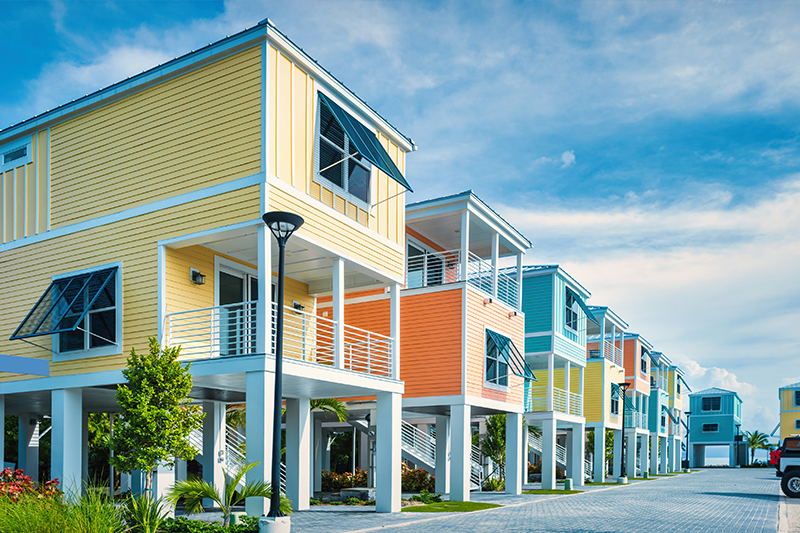
Each island in Islamorada offers distinct advantages, from boating access to privacy and open-water views
Lot selection in Islamorada varies widely by island and neighborhood. Each area offers different advantages, from deep-water canal access to private marinas and inland acreage. Here’s a snapshot of what buyers can expect across four of the main islands, based on available land, typical lot sizes, and price ranges.
Lower Matecumbe Key
Lower Matecumbe features a mix of canal-front lots and larger waterfront parcels with wide-open views and deep-water access, ideal for serious boaters seeking a quieter, more spacious setting.
- Lower Matecumbe Beach: Canal lots around 6,600 sq. ft. have recently been listed near $899,000.
- Safety Harbor: Larger parcels (0.48 to 1.24 acres) range from $995,000 to $1.75M depending on proximity to water. This bayside neighborhood offers quick Atlantic access via nearby bridges and accommodates larger vessels.
Plantation Key
Known for its strong demand and excellent boating access, Plantation Key offers several established neighborhoods with canal-front lots and protected dockage.
- Plantation Key Colony: Lots are typically 6,000 to 6,250 sq. ft., priced between $900,000 and $1.59M. Residents value its wide canals and neighborhood feel.
- Venetian Shores: A premier boating community with deep-water canals and direct ocean access via Snake Creek. Vacant land is rare; recent homes list between $1.48M and nearly $7M, reflecting high land value.
Other notable neighborhoods
Vacant land is limited on Windley Key and Upper Matecumbe Key, but both islands feature gated communities with resort-style amenities. Angler’s Reef on Windley Key offers marina access, a private beach, and a pool. Upper Matecumbe, Bay Hammock, and the Islands of Islamorada include private marinas and lush landscaping, appealing to buyers seeking privacy and turnkey luxury.
Estimated costs and budget planning
Custom homes in Islamorada come with a wide budget range. Most builds fall between $400 to $600 per square foot, but luxury waterfront homes can exceed $1,000 per square foot, especially on premium lots.
Land prices vary by location and access:
- Canal-front lots: $900K to $1.6M for 6,000 to 6,600 sq. ft.
- Larger or open-water parcels: $1.25M to $1.75M for up to 0.76 acres
Expect total project costs (land + build) to range from $2M to $15M+, depending on size, finishes, and location. A 10% to 20% contingency is recommended to cover permitting, utility setup, and unexpected site work.
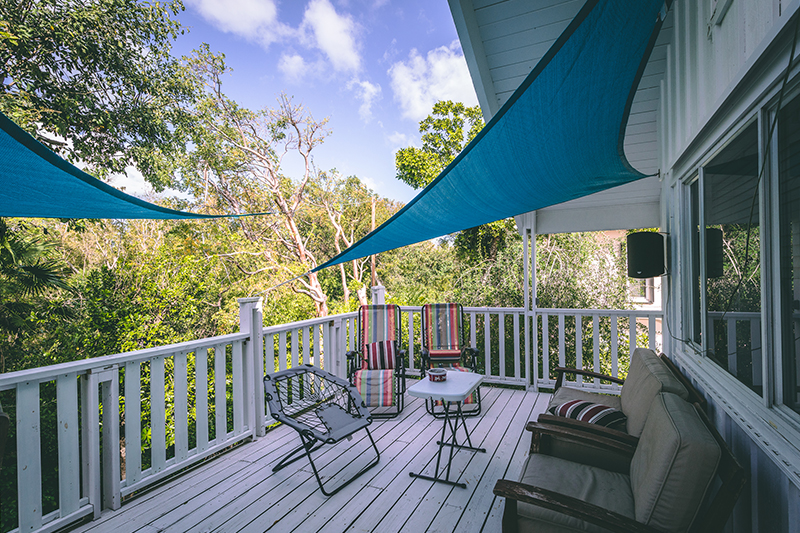
Island logistics, strict building codes, and premium materials all influence the price of a custom home
What drives construction costs in Islamorada?
Custom homebuilding in the Florida Keys typically costs more than on the mainland. Understanding what drives that cost can help you build a realistic budget and avoid unexpected overruns.
- Location and logistics
- Structural and regulatory requirements
- Design and materials
Waterfront lots in Islamorada demand more complex site prep, stronger foundations, and higher engineering standards. On top of that, island logistics add cost. Materials must be shipped in, and local labor is limited, especially during busy seasons.
Most new construction in Islamorada requires elevated foundations, impact-rated windows, and strict compliance with wind and flood regulations. These elements are critical to passing code and qualifying for insurance, but they also drive up both material and labor costs.
Custom features like expansive glass walls, rooftop decks, and specialty finishes require additional engineering and time. Materials must also withstand salt, moisture, and intense sun exposure. Choosing hurricane-resistant roofing, marine-grade hardware, and durable cladding can raise upfront costs but reduce maintenance over time.
Don’t overlook hidden costs.
Even well-planned projects can face surprise costs. Building in a 10% to 20% contingency is one of the smartest ways to stay prepared. A few hidden expenses to watch for:
- Permitting and review fees
- Impact fees
- Utility connections
- Site preparation
- Inspection or engineering changes
- Insurance during construction
Planning and building timeline: From permitting to move-in
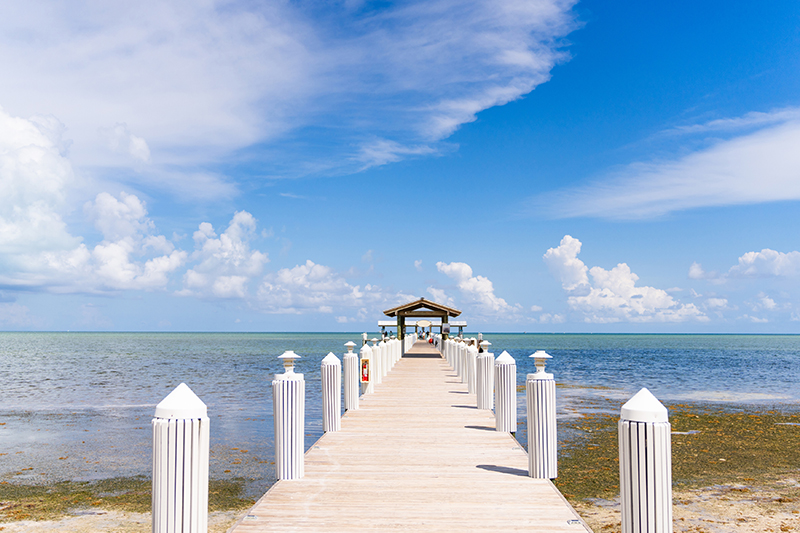
Expect your project to take months or years, depending on ROGO status, design complexity, and site conditions.
Building in Islamorada involves multiple phases shaped by local regulations, environmental factors, and logistical challenges. Here’s what to expect, from planning to final inspection, including typical timelines and common delays:
-
Step 1: Land acquisition and due diligence
-
Step 2: ROGO allocation (if required)
-
Step 3: Design and planning
-
Step 4: Permitting and plan review
-
Step 5: Site preparation and foundation work
-
Step 6: Framing and exterior build-out
-
Step 7: Interior build-out and finishing
-
Step 8: Final inspections and Certificate of Occupancy
Timeline: 1 to 2 months
Secure your lot and evaluate buildability through a boundary survey, soil tests, flood review, and environmental assessment. A local planner or consultant can help navigate zoning or habitat concerns.
Potential delays: Title issues, zoning conflicts, or site restrictions can stall progress before plans are even drawn.
Timeline: 6 to 36 months
If your lot doesn’t include a ROGO allocation or TREC, you’ll need to enter Monroe County’s growth management queue. Allocation times depend on lot score, location, and subarea.
Timeline: 2 to 4 months
Work with a local architect to finalize site plans, structural drawings, and energy calculations. Your plans must meet Florida Building Code, wind-load, and FEMA flood elevation standards.
Design considerations: Use elevated foundations, impact-rated windows, and layouts suited to the coastal climate. Green features like solar-ready roofs, native landscaping, and quality insulation can reduce long-term costs.
Timeline: 3 to 6 months
Submit your full plans to the Village of Islamorada. Your application may be reviewed by several departments: zoning, building, fire safety, utilities, and environmental. You’ll need permits for construction, electrical, plumbing, HVAC, and possibly shoreline work.
Potential delays: Missing documents, design revisions, and agency backlogs can extend approval times. Weather events may also slow in-person inspections or plan processing.
Timeline: 1 to 2 months
Once permits are issued, you can begin clearing vegetation, driving pilings, and preparing the lot for construction. Utilities like water and sewer lines (or septic systems) are typically installed at this stage.
Construction realities: Waterfront or flood-prone lots often require more complex foundations. Rain and storm activity can delay concrete work and initial inspections.
Timeline: 2 to 4 months
Crews build the structural shell, install windows, wrap the exterior, and set the roof. Interior systems, such as electrical, plumbing, and HVAC, are partially installed and prepared for finishing during this phase.
Potential delays: Long lead times for specialty materials or subcontractor scheduling conflicts may slow progress. Supply chains have improved, but some items still face delays.
Timeline: 3 to 6 months
Drywall, paint, cabinetry, flooring, fixtures, appliances, and final landscaping are completed. Decking, driveways, and custom exterior features are also finalized.
Construction realities: Custom materials and late-stage change orders often extend this phase. Budget padding is recommended to manage last-minute upgrades or corrections.
Timeline: 1 to 2 months
Schedule and pass all final inspections. Once approved, you’ll receive a Certificate of Occupancy, which allows you to move in or activate your property for rental use.
Potential delays: Failed inspections, missing paperwork, or final punch list items can push this final step back by several weeks.
Overall estimated timeline: 18 to 30 monthsThis range assumes you begin from lot acquisition and need to wait for ROGO allocation. For buyers with pre-cleared land and active permits, the timeline may be shorter. Either way, working with local professionals can help reduce delays, improve plan approvals, and keep your project on track. |
Working with local builders, architects, and contractors
Building new construction homes in Islamorada takes more than an exceptional design. Coastal construction demands a team with deep expertise, from architects well-versed in local codes to contractors experienced in navigating on-island logistics.
Here’s how each key player contributes, and why working with local pros makes all the difference.
Local builders: Your boots-on-the-ground project partner
A builder in the Keys does more than manage crews. They guide your project through Monroe County’s permitting process, coordinate inspections, source materials, and oversee every phase of construction.
Why local matters: Islamorada’s permitting, ROGO, and environmental rules are complex, but local experts know how to navigate them and avoid costly delays.
What to ask when hiring:
- How many projects have you completed in Islamorada or Monroe County?
- Do you have experience with flood zones and coastal construction standards?
- Can you help source or coordinate ROGO/TREC allocations?
- What are your typical timelines, and who supervises day-to-day work?
Architects: Designing for aesthetics, functionality, and code compliance
An architect will turn your vision into a set of plans that align with building codes, environmental setbacks, and site-specific factors like wind exposure and lot elevation.
Why local matters: Architectural design in the Keys must withstand storms and salty air, and a local architect knows how to meet both code and community standards.
Design considerations:
- Use of impact-resistant windows and elevated foundations
- Integration of outdoor living spaces suited for the subtropics
- Smart orientation for ocean views, breeze flow, and solar gain
- Respect for Islamorada’s laid-back coastal-modern aesthetic
Contractors and tradespeople: The experts executing the build
Licensed contractors and their subcontractors (electricians, plumbers, HVAC installers) bring the plans to life. In the Keys, they also deal with tight delivery schedules, supply logistics, and adapting to unpredictable island weather.
Why local matters: Contractors based near Islamorada are better equipped to manage inspections, source materials, and keep construction on schedule despite island logistics.
Smart materials for coastal living:
- Salt-resistant hardware and fixtures
- Cement-based siding and tile over wood where possible
- Storm-rated roofing materials
- Easy-to-clean surfaces like polished concrete or porcelain tile
Choosing experienced, island-based professionals ensures your new construction in Islamorada meets not just your design goals, but the demands of Keys living, from wind and water to code and character.
Final tips for successStart with the right team. A local realtor, architect, land use planner, and builder who regularly work in Islamorada will save you time, stress, and costly missteps. They understand the nuances of ROGO scoring, environmental reviews, neighborhood-specific rules, and permitting channels that can either fast-track or stall your build. Ask early, ask often. Don’t wait until design is complete to check on zoning, setbacks, or conservation easements. Each island, neighborhood, and lot can carry unique limitations. Clarifying these upfront ensures your vision stays realistic and code-compliant. Plan for island time. Even well-managed projects take longer in the Keys due to permitting reviews, weather delays, and shipping logistics. Flexibility and patience will go a long way toward a smooth experience. Build with the future in mind. Choose materials that can stand up to salt, wind, and water. Incorporate solar readiness, elevated foundations, and flexible outdoor living areas to boost long-term value and comfort. |
YOUR NEXT STEP TO BUILDING IN THE KEYS
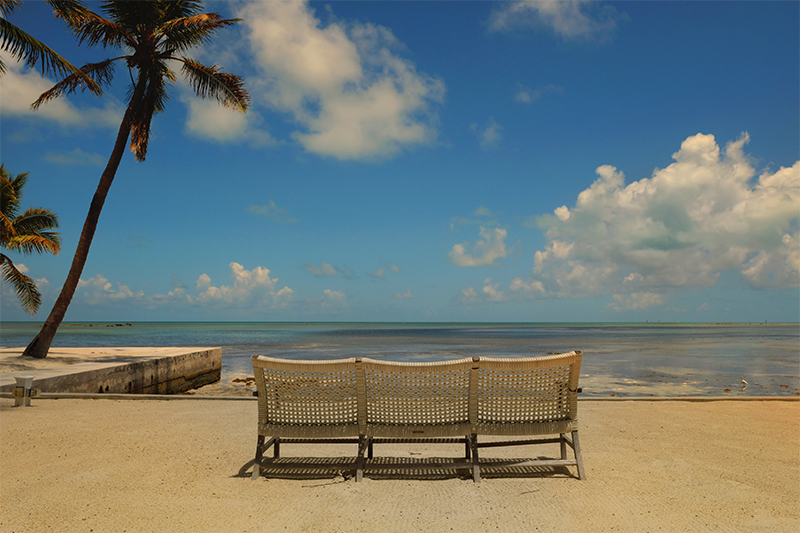
Building in Islamorada takes patience and planning, but the result is a custom home in one of the most beautiful places in the Keys.
Building a custom home in Islamorada takes careful planning and the right local knowledge. From BPAS scoring to environmental reviews, every step has its own requirements—but with expert guidance, it’s entirely doable and deeply rewarding.
If you’re exploring new construction homes in Islamorada, reach out to Alina Davis and The Alina Davis Team at 305.393.0541 or send a message to start your journey. With deep roots in the Keys and decades of local insight, they can help you evaluate land, connect with trusted professionals, and bring your vision to life with clarity and confidence.